Loading
Church History Matters Podcast · July 11, 2024
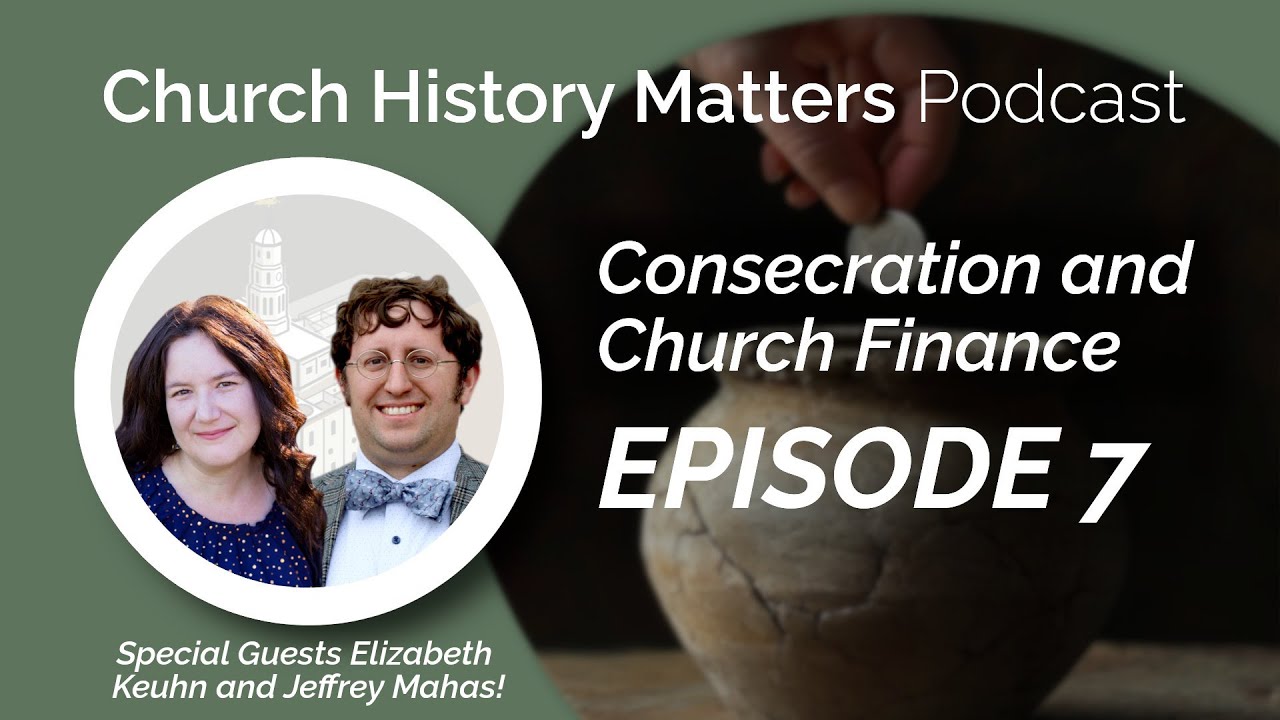
Early Church Finance Q&R! w/Drs. Elizabeth Kuehn & Jeffrey Mahas
- Views
- —
- Length
- 1h 17mshow usual ~56m
- Participants
- 2
- Topics
- 0
Featured · Guests
Who appeared
Summary
Description
Doctrine and Covenants 119 directs church members to pay essentially two tithings: the first tithing being a one-time donation of all of their surplus property, meaning whatever they don’t have immediate need of, and the second tithing being an ongoing payment of one tenth of what they would make in interest annually if they invested their total net worth at 6 percent. So when did we shift in the church away from the payment of tithing in that two-part way to the more general approach today of really only one type of tithe, as 10 percent of our income? Also, who are the Danites, and what role did they play in early tithing collection in Far West? Furthermore, how is it okay for some full-time church leaders today to receive a financial stipend or allowance? Is that historically justified in the revelations and early practice of the church? Also, related question: is it considered priestcraft for people to receive money for their efforts to build Zion? Finally, after Joseph Smith’s martyrdom, was there significant disagreement between Brigham Young and Emma Smith regarding church financial assets? And if so, what role did that play in their turbulent relationship over the next decades? All of these questions and more coming your way on this episode of Church History Matters with special guest Dr. Elizabeth Kuehn and a surprise guest that we added last minute. We think you’ll like him. This is the seventh episode of our 8-part podcast series on Consecration and Church Finance. For a full transcript of this episode, as well as show notes and additional resources, visit our website at https://doctrineandcovenantscentral.org/podcast-episode/early-church-finance-qr-w-drs-elizabeth-kuehn-jeffrey-mahas/ You can also subscribe to our podcast via Spotify, Apple Podcasts, Google Podcasts, and other platforms, and follow us on popular social media platforms. Visit https://linktr.ee/churchhistorymatters to connect with us. Originally published February 27, 2024 DISCLAIMER: While we try very hard to be historically and doctrinally accurate in what we say on this podcast, please remember that all views expressed in this and every episode are our views alone, and do not necessarily reflect the views of Scripture Central or The Church of Jesus Christ of Latter-day Saints.