Loading
Church History Matters Podcast · July 7, 2026
New Data: History of the LDS Church and Slavery I Religion & Politics I Church History Matters EP04
- Views
- 15K1.2× the show's usual
- Length
- 1h 17mshow usual ~56m
- Participants
- 3
- Topics
- 0
Featured · Guests
Who appeared
Summary
Description
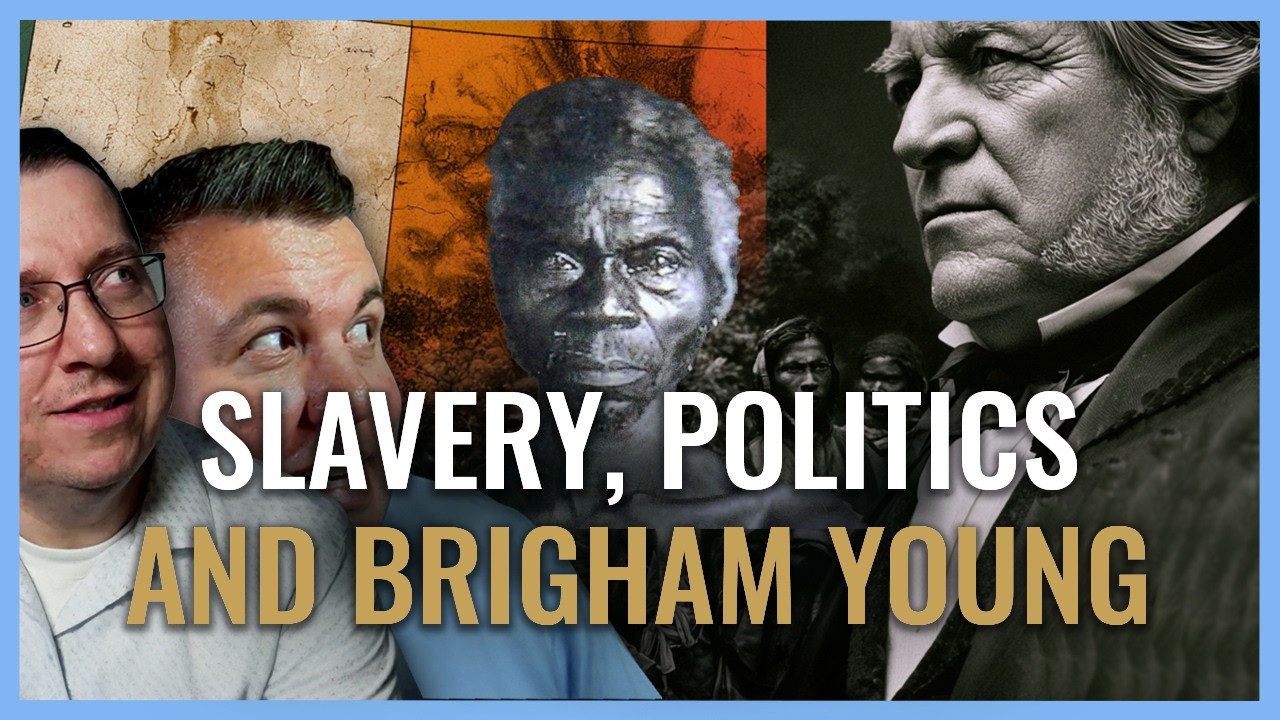
0:00 Intro - Race & politics w/ Paul Reeve 4:44 Dr Reeve’s background 10:49 Political scene & Utah slavery issue 16:20 Pressures on leaders 21:26 Slavery misconceptions & definitions 28:20 African American Utah slavery 33:13 Orson Pratt & slavery neutrality? 40:46 Consent & Green Flake 45:05 Sally Kanosh & Native American slavery 51:51 Origins of Temple/Priesthood restrictions 58:15 Brigham Young & Curse of Cain 1:06:46 How Paul navigates this issue 1:12:08 Conclusion - Balancing human & divine How did the early Latter-day Saints navigate one of the most difficult and divisive issues in American history—slavery? In this episode of Church History Matters, hosts Casey Griffiths and Scott Woodward are joined by historian and author Paul Reeve for an in-depth discussion on slavery, race, and the Latter-day Saint experience in nineteenth-century America. Together, they explore the broader history of slavery in the United States, the political tensions that surrounded westward expansion, and how these national debates influenced the Utah Territory. What were the views of early Church leaders regarding slavery? Why did slavery exist in Utah Territory, and how did it differ from slavery in the American South? How did questions surrounding slavery affect Utah’s relationship with the federal government and its long road to statehood? Drawing on historical documents and recent scholarship, Paul Reeve helps unpack the complex realities of race, slavery, territorial politics, and religion in the nineteenth century. The conversation examines the legal status of slavery in Utah, the experiences of enslaved individuals in the territory, and the ways national conflicts over slavery shaped perceptions of the Latter-day Saints during the years leading up to the Civil War and beyond.
Related